-
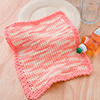
FEATURED IN OUR SPRING ISSUE
Design by Jane Pearson
Dishcloths are a great way to make something useful while learning the ins and outs of ...
-
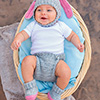
FEATURED IN OUR SPRING ISSUE
Designs by Dana Rebmann for Yarnovations.com
Capture a precious moment in time with photo props that will transform your bundle of joy ...
-

FEATURED IN OUR SPRING ISSUE
Design by Patricia Bonghi
This tunic can be made without the sleeves as a breezy summer top or with the sleeves for ...
-
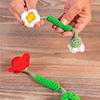
FEATURED IN OUR SPRING ISSUE
Designs by Jody Rhodenizer
These pretty fidget toys are great for students. They're quiet, fit in a pocket and can ...
-

FEATURED IN OUR SPRING ISSUE
Design by Anastasia X
This shawl looks like a field of flowers, perfect for spring! Raid your stash and work the ...
-
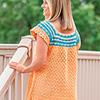
FEATURED IN OUR SPRING ISSUE
Design by Lisa Gentry
Flutter sleeves and a sassy color combination make this spring tee a must-have for work or ...
-
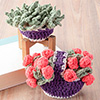
FEATURED IN OUR SPRING ISSUE
Designs by Nazanin S. Fard
When not in use, these pretty little coasters fold up and fit nicely in holders to mimic ...
-
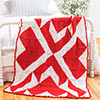
FEATURED IN OUR SPRING ISSUE
Design by Ann Regis
Have fun playing with heart shapes as you create quilt-style blocks that can be arranged ...
-
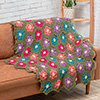
FEATURED IN OUR SPRING ISSUE
Design by Wendy C. Brown
This throw is a contemporary take on a classic motif, mesmerizing with hidden geometry ...
-
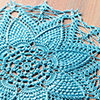
FEATURED IN OUR SPRING ISSUE
Design by Olga Shalaeva
Puff stitches, picots and clusters add interest and elegance to this lovely doily.
-
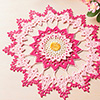
FEATURED IN OUR SPRING ISSUE
Design by Gaurangi Shah
Textures, color and lacy stitching come together in this beautiful doily for your tabletop ...
-
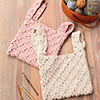
FEATURED IN OUR SPRING ISSUE
Design by Tian Connaughton
Inspired by Japanese knot-style bags, this small tote with asymmetrical handles is a fun ...
-
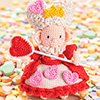
FEATURED IN OUR SPRING ISSUE
Design by Freddy Goat Patterns and Design
This Valentine's Day, show your sweetie how much you care by giving them your heart -- ...
-

FEATURED IN OUR SPRING ISSUE
Design by Bendy Carter
Wrap that little bundle of joy up in this super soft sleep sack worked up in a simple ...
-
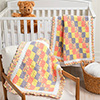
FEATURED IN OUR SPRING ISSUE
Design by Katherine Eng
This extremely soft and warm blanket in lovely bright and cheery colors will keep your ...
-
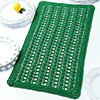
FEATURED IN OUR SPRING ISSUE
Design by Kenneth Cormier
After a long and cold winter, it's refreshing to see tiny green buds on a garden trellis ...
-
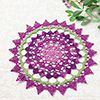
FEATURED IN OUR SPRING ISSUE
Design by Gemma R. Owen
Ringlets of petal-like stitches come alive in this pretty doily that you won't want to set ...
-

FEATURED IN OUR SPRING ISSUE
Design by Geraldine Freedman
Worked in chunky-weight yarn, this little jacket will be ready to toss over your favorite ...
-

FEATURED IN OUR SPRING ISSUE
Design by Nazanin S. Ford
Add style and color to your spring wardrobe with this gorgeous top created using puff ...
-
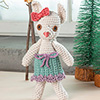
FEATURED IN OUR SPRING ISSUE
Designs by Donna Childs
Rayna is the second in a series of five woodland-inspired amigurumi ...
-
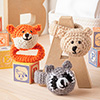
FEATURED IN OUR SPRING ISSUE
Designs by Kathleen Stuart
These cute rattles work up quickly. Pair them with their matching set of booties featured ...












Follow Us On ...